Digital Print
Photographic detail, on one shirt or a hundred
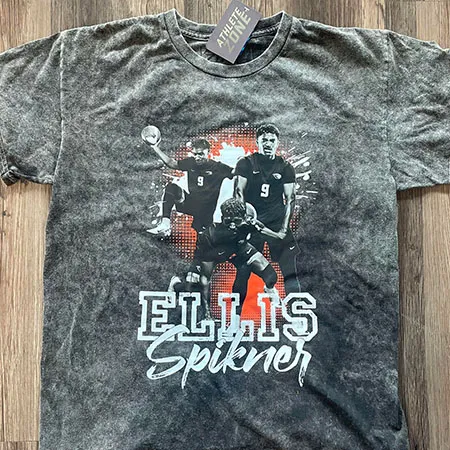
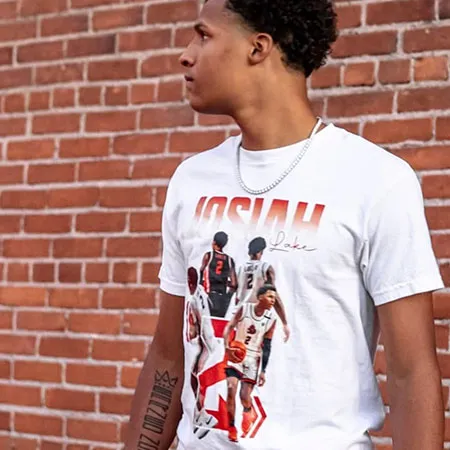
Direct-to-film printing reproduces your artwork exactly as drawn — gradients, photographs, fine lines, unlimited colours — then heat-applies it to the garment for a clean, durable finish. Because there are no screens to set up, every piece can be different, and there's no minimum to reach before it makes sense. Most orders ready 7–10 business days after you approve the art.
No minimum order
One piece is a real order.
Unlimited colour
Gradients and photographs, not approximations.
Every piece can differ
Names, numbers, one-offs — no extra setup.
What DTF actually is
Direct-to-film printing lays your design onto a transfer film using a professional ink system — CMYK plus white — then heat-applies it to the garment. The white ink prints as an underbase beneath the colour, which is why a DTF print stays bright on a black hoodie instead of sinking into it.
Because each design is printed individually rather than set up once across a run, nothing about the process rewards volume. The tenth shirt costs what the first one did, and the sixty-third can carry a different name on the back.

Why customers choose it
16.7 million colours
Our VIVID AF DTF process runs an expanded CMYK + RGBO + white ink system for brighter whites, richer saturation and smoother gradients.
Detail that survives
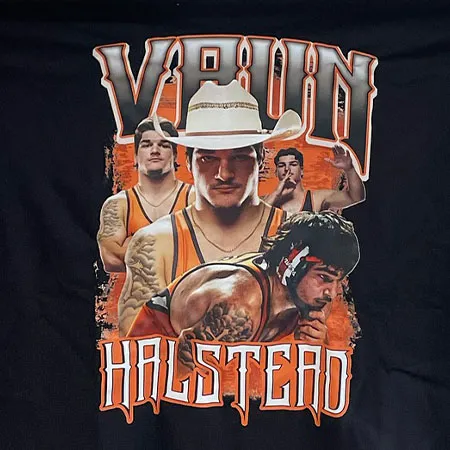
Fine lines, clean whites and complex gradients — the artwork that's difficult or expensive to reproduce any other way.
Almost any fabric
Cotton, blends, polyester and performance fabrics all take it, so mixed orders stay consistent across garment types.
Built to last
Well-produced DTF prints are commonly cited in the 50–100 wash range with proper care — screen printed apparel is typically rated 50–60.
Orders where every piece is different
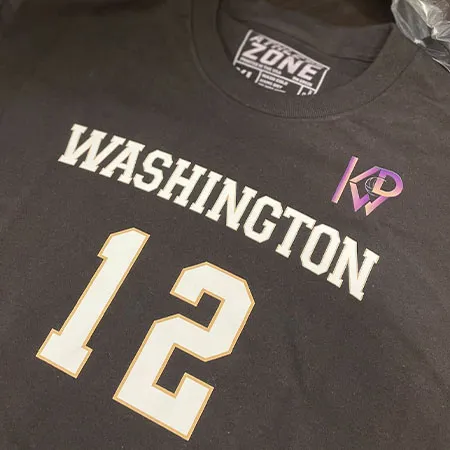
This is the thing digital print does that nothing else can do sensibly. Names on the back of team jerseys. Numbers. Different designs in the same run. A staff order where three people want the alternate logo.
With screens, each variation is its own setup. With DTF, each transfer is printed individually anyway — so variation costs nothing extra in production, and a reorder for one replacement shirt is as straightforward as the original order.
It's also what makes our swag stores work: supporters order their own size, one at a time, and each piece is made after it's bought rather than guessed at in advance.
When screen printing is the better call
Above roughly two dozen pieces of the same design, screen printing starts to make more sense — the screens are set once and the per-piece cost keeps falling as the run grows, which digital print doesn't do.
Screen printing also opens up finishes DTF can't reproduce: puff ink, reflective, glitter, glow in the dark. If the ink itself is part of the idea, that's the method.
Your project manager will tell you which side of that line your job falls on before you commit to either.
How a job runs
Pick the garment
Browse the catalog, or tell us what it's for and we'll recommend a blank. More than 3,000 items across every major brand.
Send your artwork
Every file goes through a 21-point design check. Digital print handles more detail than any other method, but resolution still matters — if yours needs work, our design team will fix it or rebuild it.
Approve and print
Your project manager confirms sizes and sends a quote. Once approved, you get a mockup on the actual garment to sign off colours and placement. Nothing prints until you say so.
Want to see it on the garment first?
Our online design tool lets you drop artwork onto a blank, see it mocked up, and get a quote in about five minutes — useful for shaping an idea before you talk to us.
Not sure which blank to choose?
Our catalog runs to more than 3,000 items — Nike, SanMar, Ogio, Gildan, Fruit of the Loom, Columbia, Champion, Richardson and Carhartt among them. Digital print works across cotton, blends and performance fabrics, so tell us what it's for and we'll recommend a garment that suits the job.
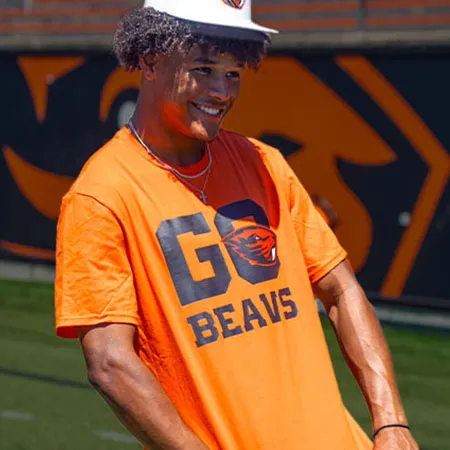
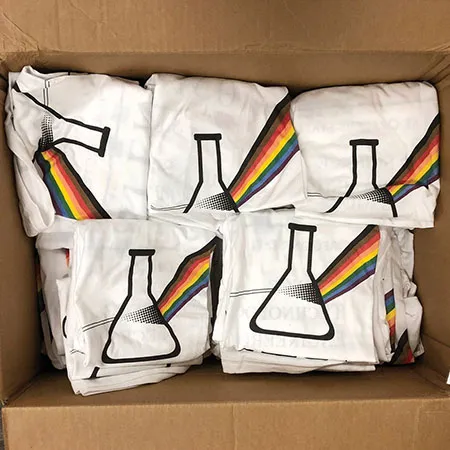
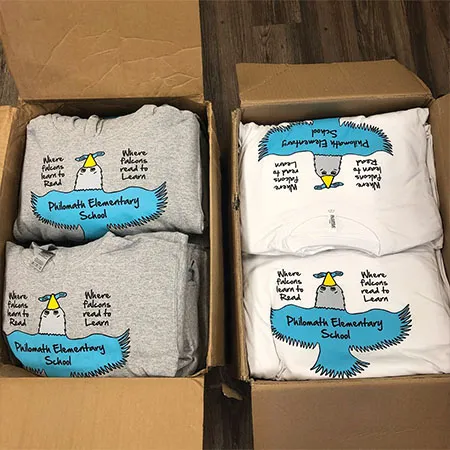
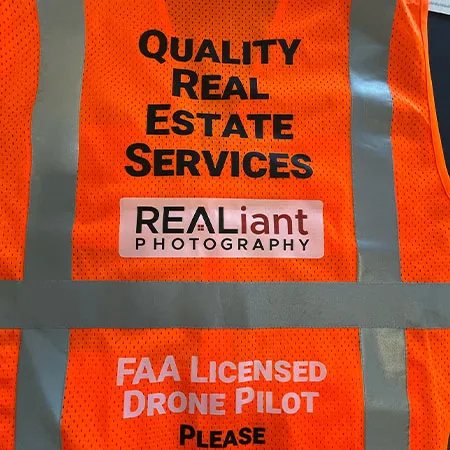
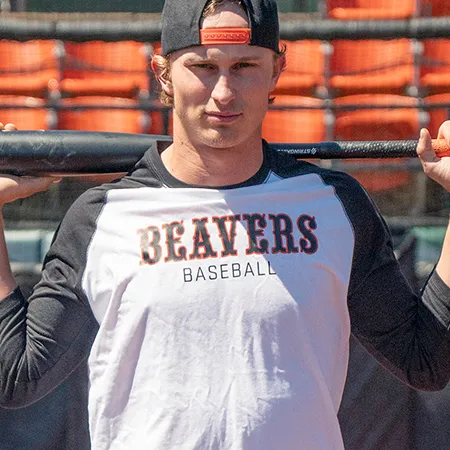
Recent digital print work
Ready when you are
Tell us what you're trying to make
Send artwork, a rough sketch, or just an idea. We'll come back with options at three price points and a proof within one business day. No minimums, no obligation, and a real person on the other end.
Prefer to talk? Call (541) 207-3424 or stop by 1853 NW 9th St, weekdays 10am–5pm.